iPhone 16e : Apple just dropped something unexpected. The iPhone 16e isn’t another me-too budget phone—it’s a carefully crafted statement that premium doesn’t have to mean prohibitive.
Launched in February 2025, this device slots neatly between the aging SE line and the flagship iPhone 16, carving out space for buyers who want modern iOS without emptying their wallets.
At ₹54,900 for the base 128GB model in India, it undercuts the standard iPhone 16 by a solid ₹25,000 while keeping the stuff that actually matters.
What’s striking isn’t just the price tag—it’s what Apple chose to keep and what it willingly sacrificed.
The phone runs the same A18 chip found in its pricier siblings, delivers Apple Intelligence out of the box, and boasts battery life that embarrasses phones twice its cost.
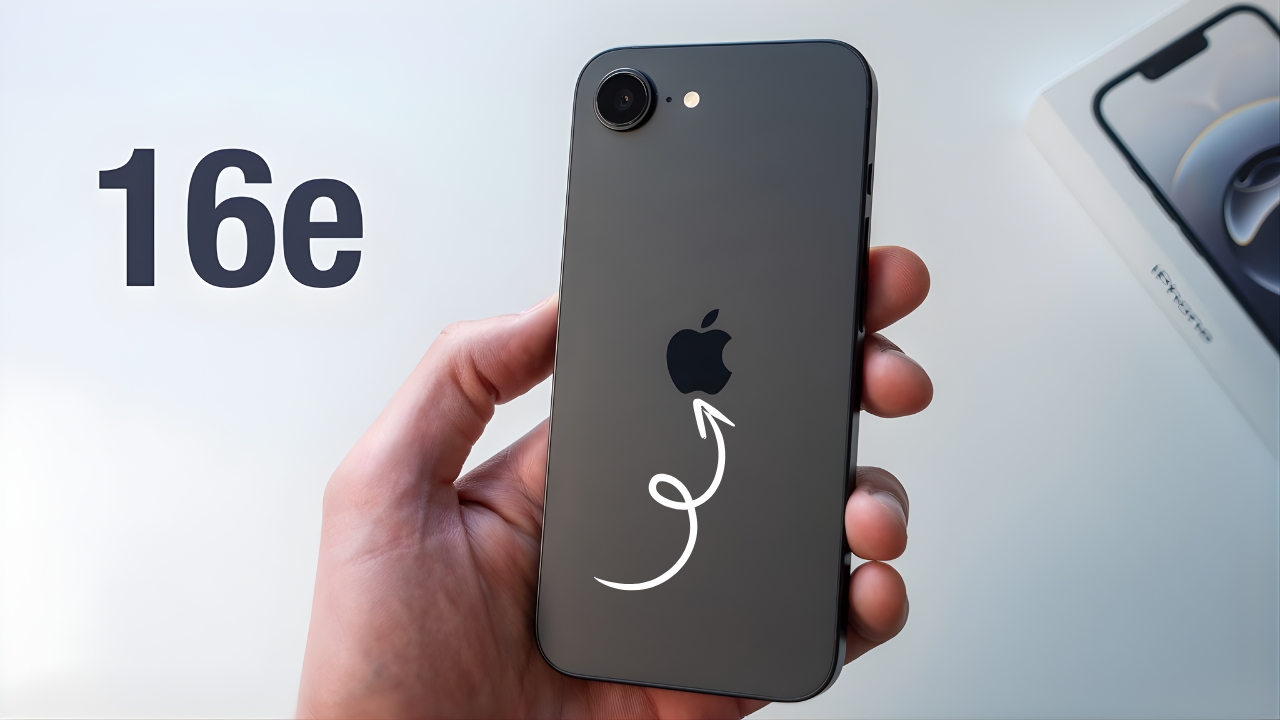
Yet it ditches the Dynamic Island for a familiar notch, sticks with a single rear camera, and skips MagSafe charging.
These aren’t oversights—they’re calculated trade-offs that reveal Apple’s new playbook for the mid-range market.
The C1 Modem: Apple’s Quiet Revolution
Here’s where things get genuinely interesting. The iPhone 16e marks the debut of Apple’s first in-house cellular modem, the C1 chip.
Also Read: New Centrelink Rules for Seniors Rolling Out Next Week – Check If You’re Affected
After years of paying Qualcomm’s licensing fees, Apple finally has its own silicon handling 5G connectivity.
The payoff? Better power efficiency that directly translates to those extra hours of battery life users are raving about.
Real-world tests show the C1 modem holding its own against Qualcomm equivalents in sub-6GHz 5G scenarios—exactly what most Indian users will encounter daily.
Sure, it lacks mmWave support, but that’s hardly a dealbreaker when carriers here are still expanding basic 5G coverage.
The real story is independence: Apple now controls another critical piece of its supply chain, and the iPhone 16e proves in-house doesn’t mean inferior.
Performance That Punches Above Its Weight
Drop the A18 chip into any phone and you’re guaranteed smooth sailing. The iPhone 16e handles everything from heavy gaming to multitasking without breaking a sweat.
Apple Intelligence features—those AI-powered writing tools, image generation, and Siri upgrades—run natively thanks to the Neural Engine baked into the A18.
Also Read: April 2026 Centrelink Shake-Up : New Payment Dates Seniors Can’t Miss
This isn’t cloud-dependent AI that stutters on weak connections; it’s on-device intelligence that respects privacy while delivering actual utility.
Battery life is the standout performer here. Apple claims up to 26 hours of video playback, and independent reviews confirm the phone easily lasts a full day of heavy use.
The 4,005 mAh cell combined with the efficient C1 modem and iOS 18’s power management creates a device that makes range anxiety feel like a relic from the Android past.
Camera Compromises With Smart Upsides
Let’s address the elephant: one rear camera. The 48MP Fusion sensor does heavy lifting, using pixel binning and computational photography to produce shots that rival dual-camera setups.
Daylight photos are crisp with accurate colors, and Night Mode kicks in when things get dark.
The 2-in-1 system switches between 2x optical-quality zoom and standard wide shots by cropping the sensor’s center—clever, though not quite the same as having dedicated telephoto hardware.
Also Read: From 7 April 2026, Seniors 70 and Over Face New Driving Licence Rules in Australia
Video recording hits 4K at 60fps with cinematic stabilization, and the front-facing 12MP TrueDepth camera handles selfies and Face ID without complaints.
For most users posting to Instagram or joining Zoom calls, this is more than adequate. Professional shooters will miss the ultra-wide and telephoto options, but they’re also not iPhone 16e’s target audience.
iPhone 16e The Verdict: Who Should Actually Buy This
The iPhone 16e makes sense for specific buyers. Students wanting their first proper iPhone, professionals needing a reliable secondary device, or anyone upgrading from an iPhone XR or 11 will find tremendous value here.
It’s also the cheapest entry point into Apple Intelligence, which alone justifies the purchase for early adopters.
But there’s a catch. With the iPhone 17e rumored for March 2026 bringing MagSafe, Dynamic Island, and the newer A19 chip, impatient buyers might want to wait just a bit longer.
Still, at current prices, the iPhone 16e represents Apple’s most compelling mid-range offering ever—a phone that proves you don’t need every flagship feature to get an exceptional iPhone experience.
For India specifically, the ₹54,900 starting price undercuts competitors while delivering the iOS ecosystem, long-term software support, and that intangible Apple polish.
It’s not perfect, but it’s purposeful—and in a market flooded with compromised budget phones, purpose matters more than perfection.